Always Hot Countries
Hot countries are mostly in desert areas and tropical places. These spots have crazy high temperatures all year long, and summer heat goes over 45°C lots of times. Sometimes long heat waves make daily life really hard and mess with travel plans too. This blog looks at hot countries around the world, checks out their weather patterns, and gives you important stuff to think about if you want to visit places with extreme heat.
Table of Contents
Which countries have high temperatures in the world?
Countries with the most extreme temperature records are mainly in the Middle East, Africa, and some tropical spots. In these areas, average temperatures usually start around 30°C and can go up to 45°C or even higher when summer gets really intense. Hot climates aren't just about strong sun. They're also affected by things like not much rain, high humidity near coasts, and huge desert areas. If you're thinking about visiting hot countries, you should really look at yearly temperature averages, humidity levels, and seasonal changes. These things make a big difference for comfort and safety. Each place has its own climate conditions and travel experiences that depend on geography and environment.
Kuwait
Kuwait is one of the hot countries in the world and records some of the highest temperatures globally. During summer months, temperatures go up to 50°C, which makes outdoor activities super challenging. The country has a desert climate with almost no rainfall and really dry air that makes the heat even worse. Because of these conditions, daily life and travel activities happen mostly in air-conditioned places. People mainly visit Kuwait for business or quick transit stops. Leisure travel is more common during cooler winter months.
Saudi Arabia
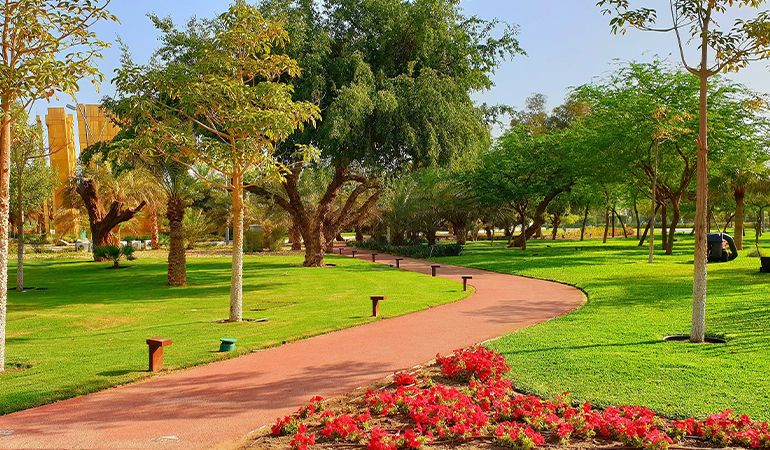
Saudi Arabia is one of the countries with very high heat in the Middle East. Average yearly temperature is around 28°C, but you get much higher temperatures in the eastern and southern parts. One of the hot spots is the Rub' al Khali Desert, also called the Empty Quarter, where summer temperatures can go over 50°C. The country's climate is mostly dry and desert-based with extremely hot daytime temperatures and much cooler nights. Seasonal changes are really important for travel planning, especially for religious and cultural visits.
Iraq
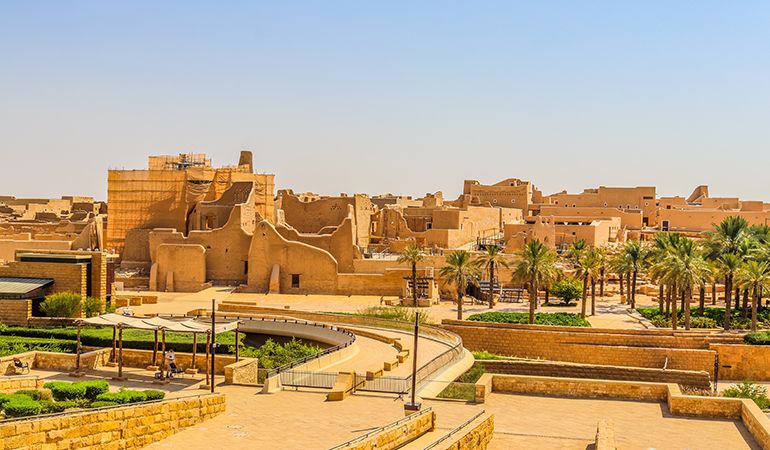
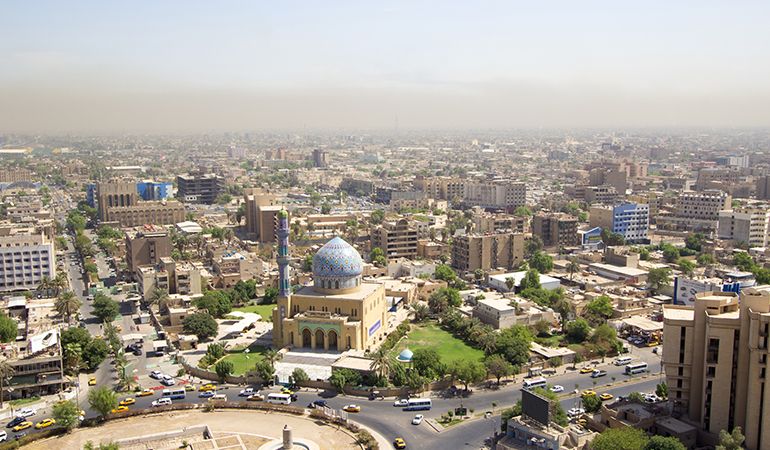
Iraq has long, very hot summers where temperatures can reach up to 48°C. The country's dry climate, combined with low humidity in many areas, makes the heat feel really intense. Average yearly temperature is between 23°C and 25°C, but summer conditions can be tough for long trips. That's why autumn and spring are usually the best seasons to visit because temperatures are milder and better for outdoor activities and sightseeing.
United Arab Emirates
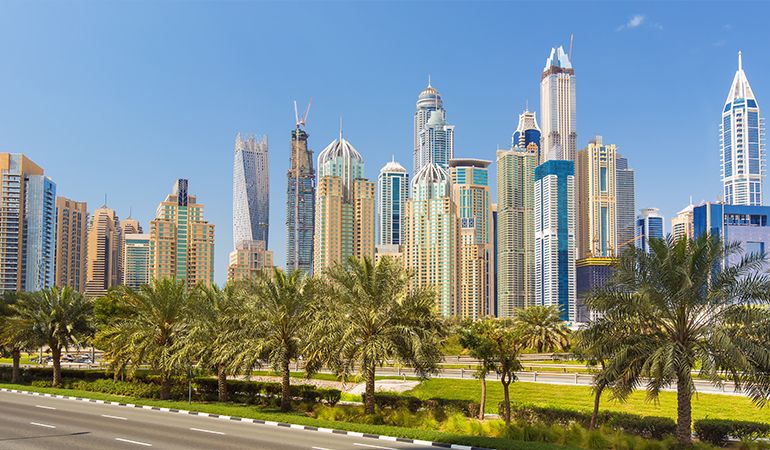
The United Arab Emirates (UAE) is a great example of a hot-climate country that has amazing urban infrastructure and a strong tourism sector. Average yearly temperature is between 26°C and 27°C, while summer temperatures in big cities like Dubai and Abu Dhabi can reach up to 45°C. The UAE's climate is mainly dry and desert-like, but coastal areas have higher humidity levels which can make hot periods feel worse. Even with the extreme heat, the country is still a major travel destination because of its modern facilities and indoor attractions.
Niger
Niger is in West Africa and has a hot and dry climate that's mostly influenced by the Sahara Desert. Average yearly temperature is around 29°C, while summer temperatures can be between 45°C and 48°C. Rainfall is limited and long dry periods are common throughout the year. Because of these harsh weather conditions, travel to Niger is usually recommended during autumn and winter when temperatures are lower and more manageable.
Chad
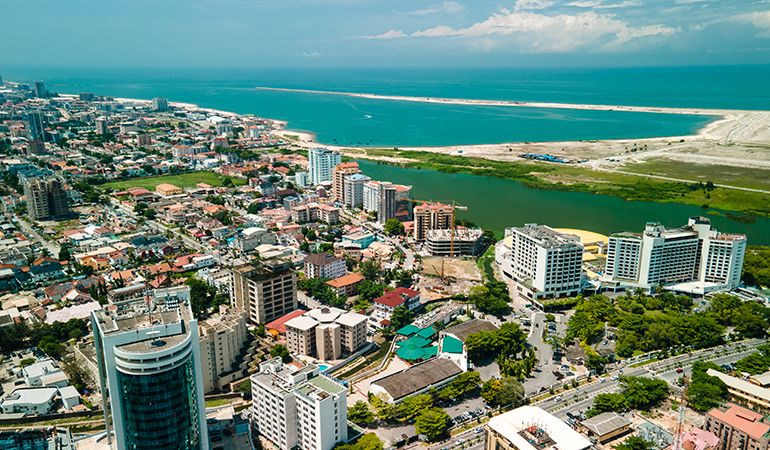
Chad is a central African country known for very high heat and mostly dry climate. Average yearly temperature is around 28–29°C, and in some regions, summer temperatures can get close to 50°C. Most of the country has dry or semi-desert conditions with long dry seasons that dominate the climate. These environmental factors really affect travel comfort, making cooler months the best time for visits.

Oman
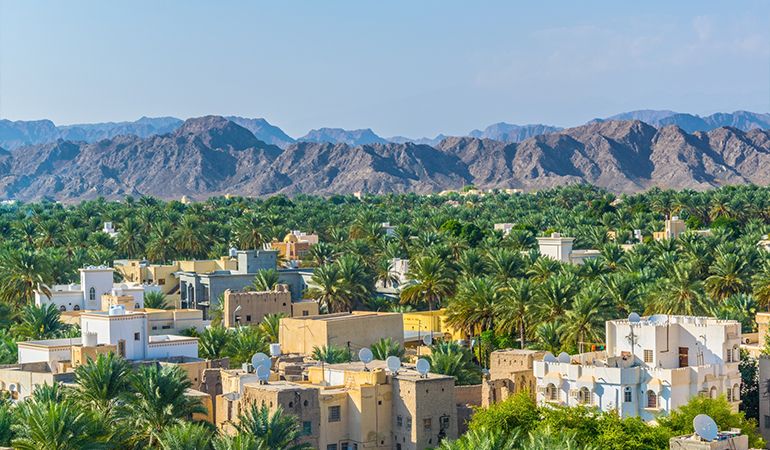
Oman is on the Arabian Peninsula and is one of the hot countries in the region. Average yearly temperature is around 28°C, while summer temperatures in inland areas can go over 50°C. The country's climate is mostly dry and desert-based, but coastal regions have higher humidity levels which can make the heat feel worse. Even with the challenging climate, Oman attracts visitors with its natural landscapes, coastal scenery, and cultural heritage, especially during cooler seasons.
Mali
Mali is in West Africa and is one of the hot countries in the world because of its dry and semi-desert climate. Average yearly temperature is around 28.8°C, and high temperatures stick around throughout the year. Northern regions, especially the historic city of Timbuktu, are heavily influenced by the Sahara Desert, which makes the heat really intense. During summer months, temperatures can reach up to 50°C, making travel physically demanding. If you're planning to explore this region, you should really prepare well and choose the right travel periods.

What You Should Know Before Traveling to the World's Hot Countries
The countries we talked about above are among hot destinations worldwide. Also, several other countries like Mexico, Bahrain, Qatar, Eritrea, Yemen, and Ethiopia are known for their high temperatures too. When you travel to hot countries, careful planning is really important. Picking the right season, wearing suitable clothes, and taking necessary health precautions can make your travel comfort and safety much better. Summer temperatures often reach 40–45°C, making autumn and winter the best periods for travel. When you organize a trip, you should think about flight schedules, local climate patterns, and temperature forecasts. Because of strong sunlight exposure, it's highly recommended to pack light-colored, breathable clothing, sunglasses, and sunscreen as essential travel preparation.

Author

Related posts
Non-working days in 2026
Read moreVisit this blog for detailed information about the non-working days, national holidays, and special vacation days in 2026.
10 famous places in Barcelona: top attractions and must-see places
Read moreWith a vibrant culture, a trip to Barcelona offers unparalleled architectural treasures. In particular, the surreal works of the famous Catalan architect Antoni Gaudí define the city's skyline.
5 reasons to visit the Maldives
Read moreThe Maldives is one of the first places people think about for dream vacations. But what makes the Maldives so special? It's a country made of islands. The Maldives gives travelers clean beaches, quiet islands and nice places to stay. Perfect for tropical trips. In this blog, we tell you 5 reasons why your next trip should be to the Maldives.
Advantages of Traveling with Azerbaijan Airlines
Read moreEnjoy delicious meals, rich entertainment options, and high comfort when traveling with Azerbaijan Airlines. Enhance the quality of your journey!